
Khwaja Garib Nawaz Biography
The Khwaja Garib Nawaz biography tells the inspiring story of Hazrat Khwaja Gharib Nawaz (R.A.), also known as Hazrat Khwaja Moinuddin Chishti (R.A.), one of the most respected Sufi saints in Islamic history. His life represents compassion, humility, and dedication to serving humanity.
For centuries, people across the world have visited the blessed shrine of Ajmer Sharif to remember his teachings and seek spiritual peace. The life journey of this great saint explains how his message of love and unity reached millions of people and continues to guide followers today.
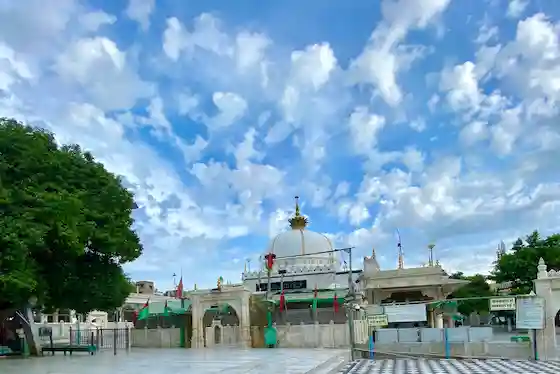
The shrine of Ajmer Sharif Dargah in Rajasthan, India, is closely connected with the life and mission of Hazrat Khwaja Moinuddin Chishti (R.A.). Devotees from different countries visit the shrine every year for ziyarat, prayer, and spiritual reflection.
Understanding the biography of Khwaja Garib Nawaz helps people appreciate the struggles, knowledge, and spiritual dedication that shaped his life and legacy.
Birth and Family Background of Khwaja Garib Nawaz
Historical records state that Gharib Nawaz (R.A.) was born around 536 AH in the region of Sistan, also historically known as Sajistan, in Persia. This area was known for its cultural and intellectual traditions.
He was born into a respected Sayyid family known for piety and scholarship. His father, Syed Ghiyasuddin Hasan, was known for his noble character and devotion, while his mother Syeda Bibi Ummul-Wara came from a respected spiritual lineage.
The lineage of Hazrat Khwaja Moinuddin Chishti (R.A.) connects to Prophet Muhammad ﷺ through both Hazrat Imam Hasan and Hazrat Imam Husain, the beloved grandsons of the Prophet ﷺ and the sons of Hazrat Ali (R.A.) and Hazrat Fatima (R.A.).
This noble lineage reflected a long tradition of knowledge, spirituality, and service to society. From an early age, Khwaja Sahib displayed kindness and generosity toward others.
During his childhood the political situation in Persia was unstable. Several regions were facing conflicts and invasions which caused suffering for many communities. These circumstances deeply influenced the early life experiences of the young Khwaja Moinuddin.
Because of the difficult conditions in Sistan, his family later moved to the famous city of Neshapur, which was widely known as a center of learning and culture.
Khwaja Garib Nawaz Early Life Struggles and Spiritual Transformation
Neshapur was one of the most important cities of its time. It was known for scholars, Sufi saints, physicians, poets, and educational institutions. The city also had gardens, agricultural lands, and vibrant trade activities.
In the suburb of Rewand, Khawaja Sahib’s father owned an orchard and a small windmill. This provided a peaceful environment for the family.
However, the region continued to face political unrest. Conflicts between rulers and invasions by foreign forces created fear and instability among the population. During this period of turmoil, Hazrat Khwaja Gareeb Nawaz (R.A.) lost both of his parents at a young age.
Being left alone during such difficult times deeply affected him. These experiences led him to think seriously about the purpose of life and the suffering of humanity.
Historical traditions describe a turning point in his life when he encountered a spiritual traveler who advised him about the path of devotion and knowledge. After this meeting, Khwaja Sahib experienced a strong spiritual awakening.
Soon after, he distributed his inherited property among the poor and devoted himself entirely to learning and spiritual practice.
From that moment, his life took a new direction. He began studying Islamic sciences, spirituality, and the teachings of Sufism under respected teachers and scholars.

Spiritual Journey and Mission of Khwaja Gharib Nawaz
After beginning his spiritual path, Hazrat Khwaja Moinuddin Chishti (R.A.) travelled to several important centers of learning across the Muslim world. These journeys helped him gain deep knowledge and spiritual discipline.
One of the most important stages in his life was becoming the disciple of the great Sufi master Hazrat Khwaja Usman Harooni (R.A.). Under his guidance, Khawaja Sahib received spiritual training for many years.
During this time he travelled across different regions including Central Asia, Persia, and the Middle East. These travels allowed him to meet scholars and saints who strengthened his understanding of faith, humility, and service.
Eventually, his spiritual journey brought him to the Indian subcontinent. After travelling through different cities, he settled in Ajmer, a city that later became one of the most important spiritual centers in South Asia.
In Ajmer, Hazrat Khwaja Gharib Nawaz (R.A.) devoted his life to guiding people toward compassion, kindness, and equality. He welcomed people from all backgrounds and emphasized helping the poor and needy.
Because of his generosity and care for the disadvantaged, people lovingly called him Garib Nawaz, meaning “Benefactor of the Poor.”
Spiritual Legacy of Khwaja Moinuddin Chishti and Its Timeless Message
The legacy of Hazrat Khwaja Moinuddeen Chishti (R.A.) continues to inspire millions of people today. His shrine, known as Ajmer Sharif Dargah, remains one of the most visited spiritual destinations in India.
Devotees from across the world come to Ajmer Sharif to perform ziyarat, remember the saint’s teachings, and seek peace of heart and mind.
The biography of Khawaja Garib Nawaz (R.A.) is therefore not only a historical account but also a message of hope. His life teaches that kindness, patience, and service to humanity can transform society and bring people together.
